
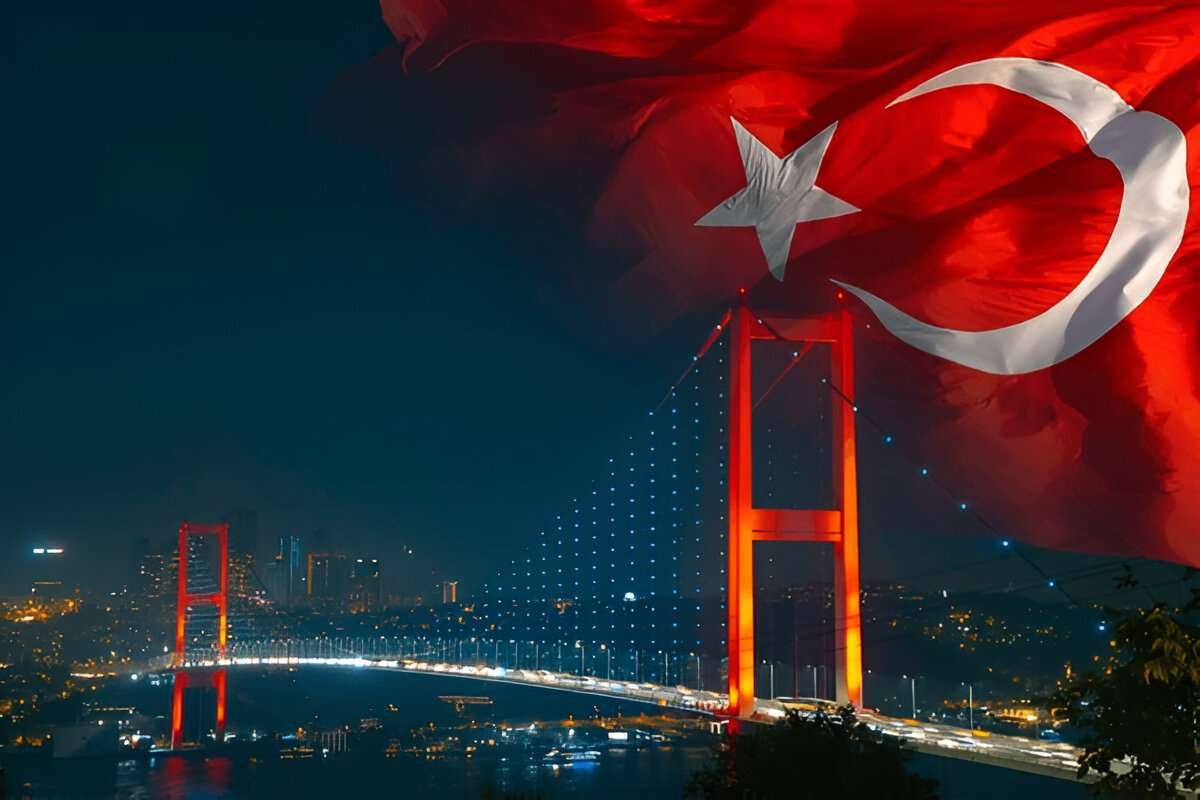
Over the past few decades, Turkey has emerged as a strategic player in international business, attracting attention for its growing economy, dynamic industries, and unique geographical position. Bridging Europe and Asia, Turkey offers a blend of historical significance, modern infrastructure, and a rapidly evolving market that makes it an increasingly important hub for business and trade. As the country diversifies its economy, embraces technological innovations, and strengthens its global trade relations, Turkey is positioning itself to be a key player in international business.
A Strategic Location for Global Trade
Turkey’s location at the crossroads of Europe, Asia, and the Middle East has long made it a critical player in global trade. This prime position allows the country to act as a bridge for goods, services, and people between these key regions. With borders touching some of the world’s most dynamic markets, Turkey’s role as a transcontinental hub is undeniable.
The country’s modern infrastructure, including its well-developed transportation network of highways, railways, and ports, facilitates the efficient movement of goods and services. The ports of Istanbul, Mersin, and Izmir serve as vital gateways for trade, connecting Turkey to the Mediterranean, the Black Sea, and beyond. The recent development of the new Istanbul Airport, one of the largest and busiest airports in the world, further cements Turkey’s position as an international business hub. This connectivity, both within the region and globally, enhances the country’s competitiveness, allowing businesses to tap into markets from the East to the West.
Turkey’s ability to facilitate smooth trade has made it an attractive destination for foreign investors looking to access both European and Asian markets. Many international companies are establishing regional headquarters or manufacturing bases in Turkey, taking advantage of its location, skilled workforce, and cost-effective business environment.
A Thriving and Diversified Economy
Turkey’s economy has undergone a significant transformation over the past few decades, evolving from an agrarian-based economy to one that is heavily industrialised and service-oriented. This diversification has been crucial in positioning the country as a key player in international business. Today, Turkey is a leader in various industries, including textiles, automotive, electronics, construction, and agriculture.
The Turkish textile and fashion industry is particularly noteworthy. As one of the largest textile producers in the world, Turkey has become a major supplier for global brands, offering high-quality products at competitive prices. The country’s expertise in textiles, combined with its rich cultural heritage, also makes it an attractive destination for fashion designers and entrepreneurs.
The automotive industry is another area in which Turkey has made substantial strides. The country is home to production facilities for major global brands, including Ford, Renault, and Toyota. Turkish companies, such as Tofaş and Otokar, have also gained recognition in the global automotive market, exporting vehicles to a wide range of countries. This sector is supported by Turkey’s growing expertise in engineering, technology, and innovation, making it an important player in the global automotive supply chain.
Turkey’s construction sector is also booming, with large-scale infrastructure projects, such as bridges, tunnels, and airports, attracting international investment. The country’s growing real estate market, particularly in cities like Istanbul, has further fueled its economic expansion. As Turkey’s economy becomes more diversified, the country’s business climate becomes increasingly attractive to global investors.
The Rise of Innovation and Technology
In recent years, Turkey has made significant investments in technology and innovation, recognising the importance of digital transformation in the global business landscape. The government has prioritised tech development, aiming to foster a culture of innovation through initiatives that support research and development (R&D), startups, and technological hubs.
Cities like Istanbul and Ankara are rapidly developing into tech hubs, with a growing number of startups, accelerators, and incubators. These cities are home to a vibrant entrepreneurial ecosystem, particularly in the fields of fintech, e-commerce, artificial intelligence, and renewable energy. Turkey’s young and tech-savvy population is driving the growth of digital businesses, and the government’s initiatives to support tech startups, such as tax incentives and funding programs, have made the country an attractive destination for entrepreneurs and investors in the technology sector.
The development of smart cities, the rise of e-commerce, and the adoption of digital payment systems have further accelerated Turkey’s integration into the global digital economy. Companies in Turkey are increasingly embracing innovation to compete on the worldwide stage, positioning the country as an emerging tech powerhouse in the region.
Strong Trade Relations and Global Integration
Turkey’s trade relations with both developed and emerging markets have played a key role in its growing influence in international business. The country is a member of several important trade organisations, including the World Trade Organisation (WTO) and the G20, which further integrates it into the global economy.
The country’s trade agreements with the European Union (EU), the United States, and other key international players have helped to open up new markets and create business opportunities. In recent years, Turkey has actively pursued free trade agreements with countries in Asia, the Middle East, and Africa, aiming to strengthen its position in these regions.
The Customs Union agreement with the EU has been particularly beneficial for Turkey, allowing for the free movement of goods between the two regions and enhancing its role as a key player in European trade. Additionally, Turkey’s growing ties with countries in the Middle East and North Africa (MENA) have expanded its market reach, creating opportunities for Turkish businesses to tap into fast-growing economies in the region.
Tourism as a Key Driver of Economic Growth
In addition to its growing role in international trade and business, Turkey’s tourism sector plays a significant role in the country’s economy. With its rich history, stunning landscapes, and diverse cultural heritage, Turkey is one of the most popular tourist destinations in the world. The tourism industry not only brings in foreign exchange but also creates jobs and supports various sectors, including hospitality, transportation, and retail.
Istanbul, Cappadocia, Pamukkale, and the Aegean and Mediterranean coasts are just a few of the many regions that attract millions of visitors each year. Tourism has helped Turkey become a major player in the global travel and leisure industry, further boosting its economy and enhancing its international presence.
Conclusion
Turkey’s growing influence in international business is the result of its strategic location, diversified economy, commitment to innovation, and strong trade relations. The country is no longer solely known for its natural resources; it has evolved into a key player in global trade, technology, and entrepreneurship. Turkey’s ability to blend tradition with modernity, its thriving industries, and its dynamic business environment make it an increasingly important destination for investment and collaboration. As Turkey continues to strengthen its position on the global stage, it is clear that the country’s role in international business will only continue to grow, making it a crucial player in the global economy.
More articles: A Perfect Getaway: Turkey’s Most Scenic Coastal Destinations