
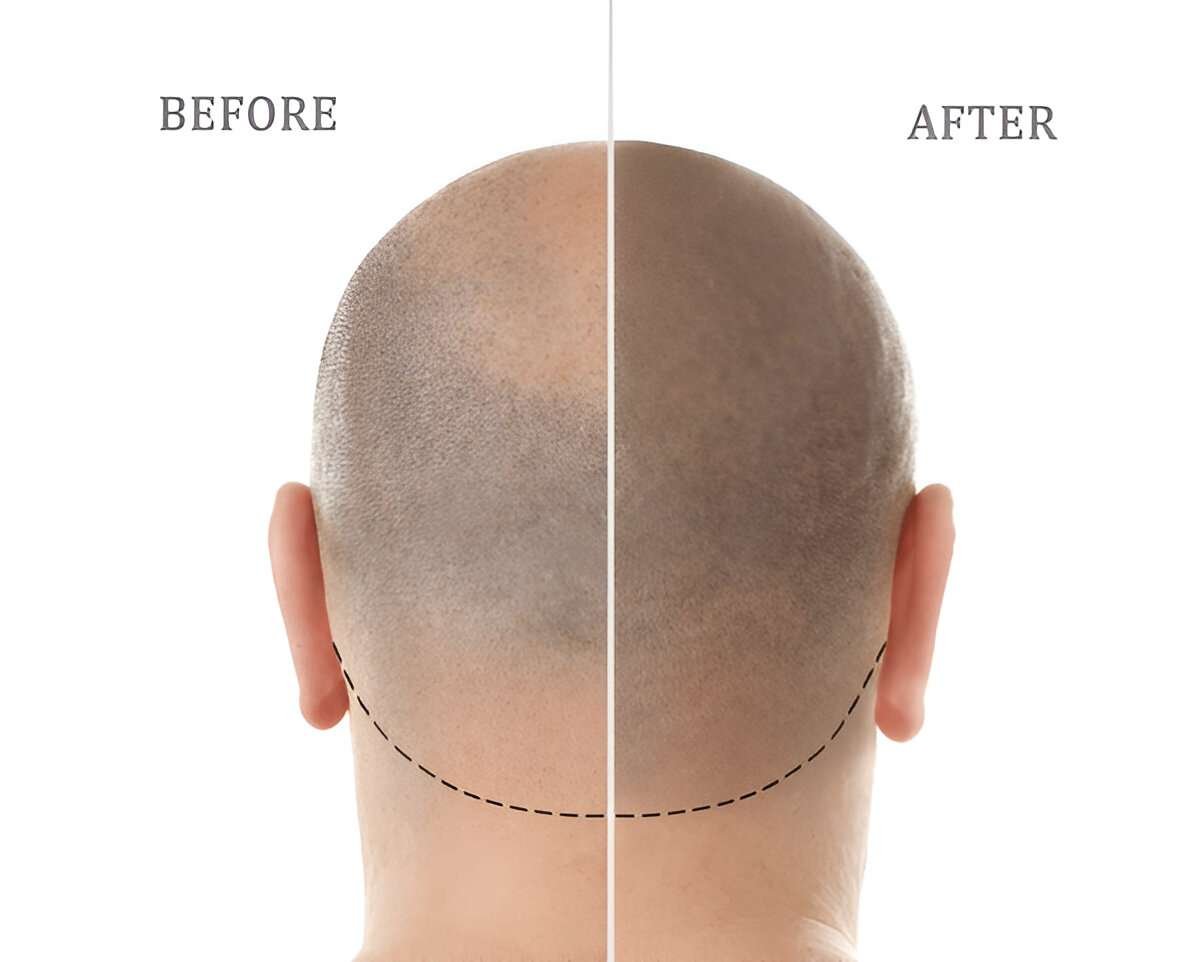
Many people face hair loss, but with modern advancements in medical technology, hair transplants in the UK have become a popular and effective solution. Hair restoration is rooted in complex science, combining advanced techniques and a deep understanding of hair growth cycles. In this article, we’ll delve into the science behind hair transplants, helping you understand how the procedure works and what makes it such a reliable method for restoring hair.
What Is a Hair Transplant?
A hair transplant involves taking hair follicles from one area of the scalp, known as the donor site, and transplanting them into places where hair has thinned or been lost. These donor follicles are typically taken from the back or sides of the scalp, as these areas are genetically resistant to hair loss. Once transplanted, the follicles begin to grow hair naturally, creating a fuller, more youthful appearance.
The procedure relies on the regenerative capacity of hair follicles, which can be used to restore hair growth even in areas where hair has been lost due to male or female pattern baldness, scarring, or other causes of hair loss.
The Science Behind Hair Growth
To understand how hair transplants in the UK work, it’s essential to understand the basic biology of hair growth. Hair growth occurs in cycles, with each strand of hair going through three distinct phases:
1. Anagen Phase (Growth Phase)
During the anagen phase, the hair follicle is actively producing hair. This phase can last for several years, and the length of time it lasts determines the length of your hair. In the donor area, the hair follicles are generally resistant to the effects of DHT (dihydrotestosterone), a hormone that is primarily responsible for male pattern baldness. This is why hair taken from this area remains viable and capable of growing once transplanted.
2. Catagen Phase (Transitional Phase)
The catagen phase is a short transitional phase where the hair stops growing and prepares to fall out. This phase typically lasts a few weeks.
3. Telogen Phase (Resting Phase)
During the telogen phase, the hair follicle is dormant, and the hair is eventually shed. After shedding, the cycle begins again with the growth of new hair from the same follicle.
A successful hair transplant UK procedure relies on the ability to move hair follicles from the donor site, where they remain in the anagen phase, to areas of the scalp where they can start growing hair again. The surgeon’s skill is crucial here, as the transplanted follicles must be placed correctly to mimic the hair’s natural growth pattern.
FUE vs. FUT: The Techniques Explained
There are two main techniques used in hair transplants: Follicular Unit Extraction (FUE) and Follicular Unit Transplantation (FUT). Both are scientifically proven methods, but they differ in how the hair follicles are extracted and transplanted.
FUE (Follicular Unit Extraction)
FUE is the most advanced method of hair transplants in the UK. In this procedure, individual hair follicles are extracted from the donor area using a small punch tool, which leaves tiny circular scars that are barely visible. The surgeon then transplants these follicles into the areas of thinning or baldness. FUE is popular because it’s less invasive, requires no stitches, and has a faster recovery time.
FUT (Follicular Unit Transplantation)
FUT involves removing a strip of scalp from the donor area, from which individual follicular units are dissected. The strip is then carefully stitched back together. This method allows for a larger number of follicles to be transplanted in a single session, which can be beneficial for patients with more extensive hair loss. However, FUT leaves a linear scar that can be visible if you wear your hair very short.
Both methods work by utilizing the hair’s natural ability to grow, but the choice of technique depends on the patient’s needs, hair type, and desired results.
Why Donor Hair Is Essential for Success
The key to a successful hair transplant lies in the donor hair. Hair follicles from the back or sides of the scalp are typically chosen because they are genetically resistant to hair loss, even in individuals who experience baldness. These follicles are less likely to be affected by DHT, the hormone responsible for thinning hair, making them ideal candidates for transplantation.
When hair follicles are extracted from these areas, they retain their natural growth properties. Once transplanted, these follicles will continue to grow hair in the new location. This is why hair transplants in the UK have such a high success rate – the transplanted hair is permanent and continues to grow naturally.
The Healing Process and Regrowth
After a hair transplant UK procedure, the transplanted hair is initially shed, which can be alarming but is completely normal. This is part of the natural cycle of hair growth, and within a few months, new hair will begin to grow from the transplanted follicles. It can take up to a year for the full results to become visible, as the transplanted hair gradually grows and thickens.
During this time, it’s essential to follow your surgeon’s aftercare instructions carefully to ensure the best possible outcome. Most patients experience little to no discomfort after the procedure, but some minor swelling or redness is common in the days following the surgery.
The Role of Technology in Hair Transplants
Technology plays a crucial role in the success of hair transplants in the UK. Modern techniques such as robotic hair restoration systems and advanced microscopes allow surgeons to extract and transplant follicles with greater precision than ever before. These technological advancements improve the procedure’s accuracy, ensuring that the hairline is as natural as possible and that the transplanted follicles are placed at the correct angle and direction.
Additionally, many clinics now use specialized instruments to minimize trauma to the scalp and improve the overall success of the transplant. These innovations have made hair transplants more effective, less invasive, and quicker to recover from.
Conclusion
The science behind hair transplants UK is based on a deep understanding of hair growth cycles and follicular biology. By using advanced techniques like FUE and FUT, skilled surgeons can restore hair growth to areas that have experienced thinning or baldness. The key to a successful transplant lies in the donor hair, which is carefully extracted from resistant areas of the scalp and transplanted to the thinning regions.
Whether you opt for FUE or FUT, understanding the science behind the procedure helps you make an informed decision about your hair restoration journey. With the right technique and a skilled surgeon, a hair transplant in London can give you natural, long-lasting results that significantly improve your appearance and boost your confidence.
Also Read: How to Stay Fit Without Spending Hours at the Gym