
The day of your hair transplant can feel like a big milestone. For many people in the UK, it is a mix of excitement and nervousness. You know you are taking a step toward change, but you are not always sure what the day will actually feel like.
The good news is that modern procedures are carefully planned, structured, and usually much more comfortable than people expect.
If you are preparing for a receding hairline hair transplant, understanding each stage of the surgery day can help you feel more relaxed and confident.
Arriving at the Clinic
Your day usually starts with a calm arrival at the clinic.
You will be welcomed by the medical team and guided through the schedule. Most clinics in London and across the UK aim to keep the environment relaxed and professional.
If you are having a receding hairline hair transplant, the team may first review your hairline design and confirm the final plan.
This step is important because it ensures everyone is aligned before the procedure begins.
You may also be asked to sign consent forms and change into comfortable clothing provided by the clinic.
Final Consultation and Hairline Design
Before the procedure starts, the surgeon will usually do a final check.
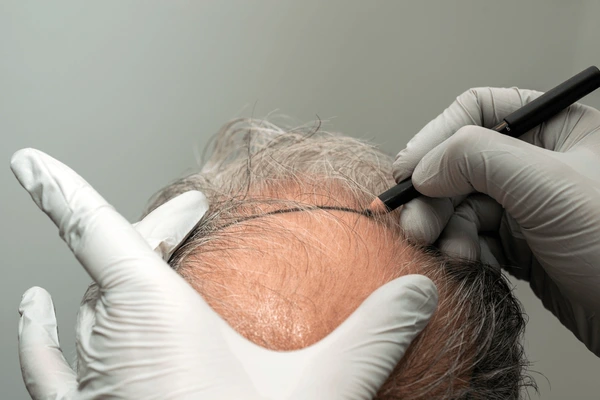
This is where the hairline is drawn and refined. It is one of the most important parts of a receding hairline hair transplant.
The goal is to create a natural-looking shape that suits your face.
You will have the chance to discuss and approve the design before anything begins.
This stage ensures that expectations are clear and realistic.
Many patients find this moment reassuring because they can actually see the planned outcome before surgery starts.
Preparing the Donor Area
Once the design is confirmed, the donor area is prepared.
This usually involves trimming the hair at the back or sides of the scalp.
For a receding hairline hair transplant, this step is necessary so follicles can be accessed easily and safely.
The scalp is then cleaned and sterilised to reduce any risk of infection.
Local anaesthetic is applied to ensure the area remains comfortable throughout the procedure.
Most patients feel only mild pressure or none at all during this stage.
Extracting the Hair Grafts
The next step is graft extraction.
This is where healthy hair follicles are carefully removed from the donor area.
In a receding hairline hair transplant, these grafts are selected based on strength and quality.
Modern techniques allow extraction with minimal discomfort and precision.
The process can take several hours depending on the number of grafts needed.
During this time, you can usually relax, listen to music, or watch something while the team works.
Implanting the Hair Grafts
After extraction, the next stage begins.
The surgeon carefully implants each follicle into the thinning or receding areas.
This is one of the most detailed parts of a receding hairline hair transplant.
Each graft must be placed at the correct angle and direction to match natural hair growth.
This step is what creates a natural-looking hairline once results begin to grow.
The process can take time because precision is more important than speed.
Comfort During the Procedure
One of the most common concerns is discomfort.
In reality, most patients remain comfortable throughout the day.
Local anaesthetic keeps the scalp numb during a receding hairline hair transplant, so pain is minimal.
You may feel some pressure or movement, but not sharp pain.
Breaks are often included so you can stretch, eat, or rest.
Many clinics also provide entertainment to help pass the time.
Midday Break and Recovery Time
Most procedures include a break during the day.
This allows you to eat, hydrate, and rest before continuing.
For a receding hairline hair transplant, the session may be split into stages to maintain focus and precision.
The team will also check your comfort level and adjust if needed.
This break helps make the overall experience more manageable.
Completing the Procedure
Once all grafts are placed, the procedure comes to an end.
The scalp is cleaned and carefully reviewed.
For a receding hairline hair transplant, the final result at this stage is visible but still healing.
Small scabs may form around each graft, which is completely normal.
The medical team will take photos and explain the next steps clearly.
Aftercare Instructions
Before you leave, you will receive detailed aftercare guidance.
This includes how to sleep, wash your hair, and protect the scalp.
Proper aftercare is essential after a receding hairline hair transplant.
You will be advised to avoid touching or scratching the treated area.
Most clinics also provide medication or sprays to support healing.
Clear instructions help reduce complications and improve results.
What You May Feel After Surgery
After the anaesthetic wears off, you may feel mild tightness or sensitivity.
This is normal and usually temporary.
Following a receding hairline hair transplant, the scalp may also appear red or slightly swollen.
These effects typically improve within a few days.
Most patients return to light daily activities shortly after surgery.
The First Few Days After Surgery
The first few days are focused on healing.
Small scabs form and begin to settle naturally.
After a receding hairline hair transplant, it is important to follow all aftercare instructions carefully.
Sleeping with your head elevated may be recommended.
Avoiding direct sun exposure also helps protect the grafts.
Why the Surgery Day Matters
The surgery day is more than just a procedure.
It is the foundation of your entire transformation.
A well-planned receding hairline hair transplant depends heavily on careful execution during this stage.
Every graft placed on this day contributes to the final result months later.
Precision, patience, and planning all come together during surgery.
Reading Reviews Before Your Procedure
Many patients find comfort in reading real experiences before their surgery.
Receding hairline hair transplant reviews often describe what the surgery day felt like in detail.
These reviews help set expectations and reduce anxiety.
They also provide insight into clinic professionalism and patient care.
Hearing real stories makes the process feel more familiar and less overwhelming.
Final Thoughts
Your hair transplant surgery day is carefully structured to ensure comfort, safety, and precision.
If you are planning a receding hairline hair transplant, knowing what happens at each stage can help you feel more prepared and relaxed.
From arrival to final graft placement, every step is designed to support natural, long-lasting results.
Reading real receding hairline hair transplant reviews can also help you understand what others experienced and what to expect.
In the end, this single day marks the beginning of a gradual transformation that unfolds over the coming months, leading to natural and lasting improvement.