
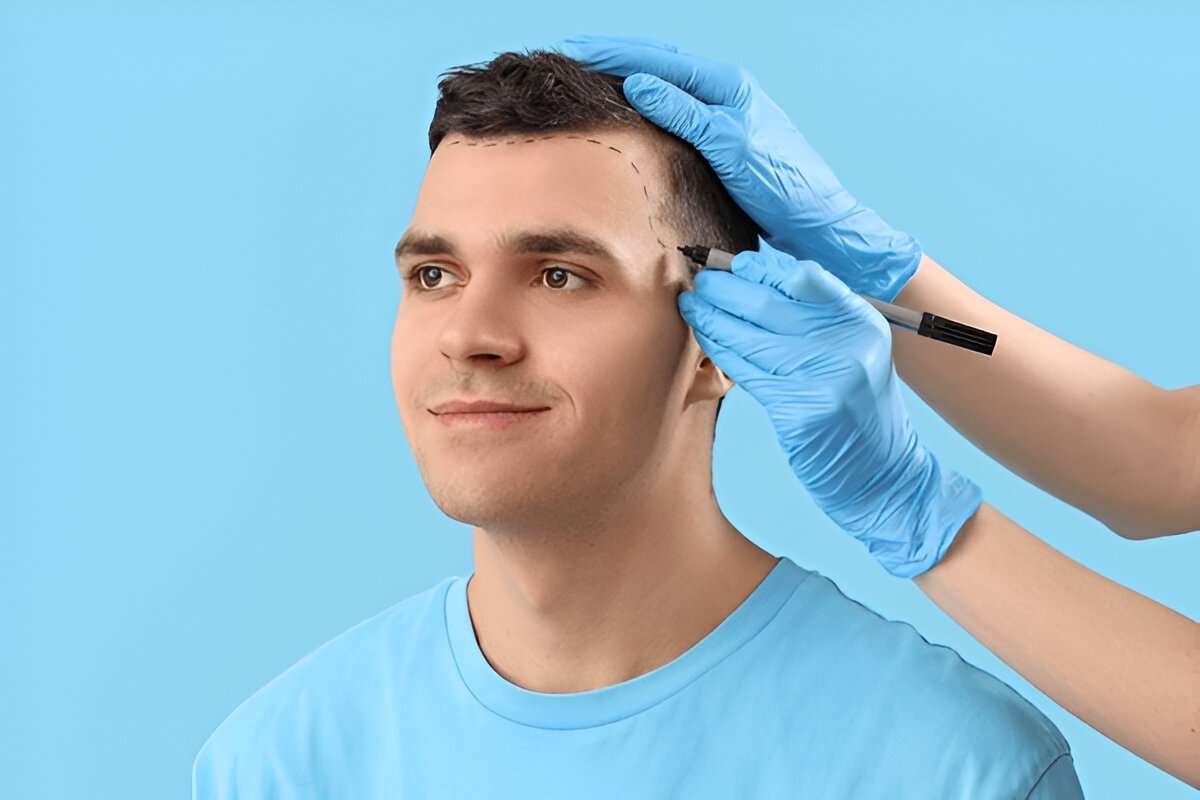
If you’re considering a London hair transplant, one of the most important decisions you’ll need to make is whether to go for Follicular Unit Extraction (FUE) or Follicular Unit Transplantation (FUT). Both methods are highly effective for hair restoration, but they differ in technique, recovery time, and cost. Choosing the correct method depends on your specific needs, budget, and desired outcomes. This article will help you decide between FUE and FUT, explaining the advantages and disadvantages of each.
What Is FUE?
Follicular Unit Extraction (FUE) is a modern hair transplant technique that involves extracting individual hair follicles from the donor area (usually the back or sides of the scalp) and transplanting them to the thinning or bald spots. The extraction is done using a small punch tool, which leaves tiny circular scars in the donor area. These scars are so small that they are barely visible, even when the hair is short.
FUE has gained popularity due to its minimally invasive nature and the fact that it doesn’t leave a large linear scar, making it an excellent option for those who prefer short hairstyles or worry about visible scarring. The recovery time for FUE is generally shorter, and the discomfort level is usually minimal.
What Is FUT?
Follicular Unit Transplantation (FUT), also known as the strip method, involves removing a thin strip of scalp from the donor area. This strip is then dissected into individual hair follicles and transplanted to the recipient area. The main drawback of FUT is that it leaves a linear scar where the strip of scalp was removed, which can be visible if you wear your hair very short.
Although the hair transplant cost for FUT can sometimes be lower than FUE, it’s generally considered to be a more invasive procedure with a more extended recovery period. The scar left by FUT may be more noticeable, particularly if the hair is shaved short. However, FUT can be beneficial for people who have significant hair loss and need a larger number of grafts to achieve a fuller look.
FUE vs. FUT: Which One Is Right for You?
When deciding between FUE and FUT, several factors come into play. Understanding the pros and cons of each method can help you make an informed choice.
1. Scarring and Appearance
One of the most significant considerations when choosing between FUE and FUT is the issue of scarring. FUE is often preferred for its minimal scarring. The small circular scars it leaves are almost invisible, even when the hair is cut short. This is a significant advantage for people who want to keep their hair short after the transplant.
On the other hand, FUT leaves a linear scar, which may be visible if the hair is cut very short. However, this can usually be hidden with longer hairstyles, and the scar tends to fade over time.
2. Hair Transplant Cost
The London hair transplant cost is often higher for FUE compared to FUT. This is because FUE requires more precision and takes longer to perform. The surgeon must extract each follicle individually, which can be a time-consuming process. As a result, the overall price for FUE is typically higher.
FUT can be more cost-effective, especially if a larger number of grafts are needed. The process is faster because it involves removing a strip of skin rather than extracting individual follicles. However, the cost difference may not be significant enough to make FUT a better option for everyone.
3. Recovery Time
Recovery time is another key factor when deciding between FUE and FUT. With FUE, the recovery time is generally faster because the procedure is less invasive. Since the hair follicles are individually extracted, there is less trauma to the scalp. Most patients can return to their normal activities within a few days after the procedure, with minimal discomfort.
In contrast, FUT involves a more invasive approach, as the scalp is cut and sutured to remove a strip of skin. This typically results in a more extended recovery period. Patients may experience swelling and discomfort for a few days, and the sutures need to be removed within a week or two. The recovery process can take longer, but many people find it manageable with proper care.
4. Suitability for Hair Type and Extent of Hair Loss
Your hair type and the extent of hair loss are also crucial factors in choosing the correct method. FUE is ideal for people with fine hair or those who have a small to moderate amount of hair loss. It is also suitable for individuals who want to wear their hair short after the transplant.
However, FUT may be better for individuals with more significant hair loss or those who require a larger number of grafts. FUT is capable of harvesting a greater number of follicles in a single session, making it ideal for people who need a larger volume of hair to achieve the desired result.
Long-Term Results
Both FUE and FUT provide permanent results. The transplanted hair follicles are taken from areas that are genetically resistant to hair loss, so they will continue to grow in their new location. Over time, the transplanted hair will blend in with your natural hair, creating a full and natural look.
Final Thoughts
The choice between FUE and FUT largely depends on your individual needs, preferences, and budget. FUE is a less invasive option with quicker recovery time and minimal scarring, making it suitable for those who want a more discreet procedure. FUT, on the other hand, can be a more cost-effective option for those with significant hair loss who need a larger number of grafts.
Before making a decision, it’s essential to consult with a skilled surgeon who can assess your specific needs and guide you towards the right choice. Whether you choose FUE or FUT, both techniques offer excellent results when performed by a qualified professional. In the end, the best option is the one that aligns with your goals, hair loss situation, and lifestyle.