
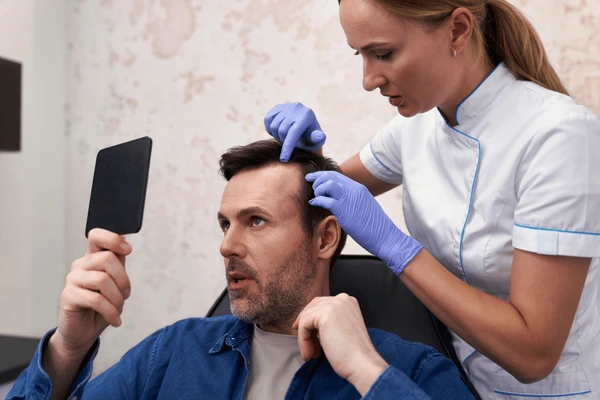
A hairline plays a crucial role in framing your face and influencing your overall appearance. Many people considering a hair transplant in London or elsewhere in the UK wonder how the procedure impacts the shape and natural look of their hairline. Understanding the process helps set realistic expectations and ensures a satisfying outcome.
The Importance of a Natural Hairline
A natural-looking hairline is essential for aesthetic balance. Hair transplant London specialists emphasise that the goal is not just to restore density but to create a hairline that complements facial features.
Hair transplant UK clinics note that a poorly designed hairline can appear artificial, making it crucial to plan carefully before surgery.
Planning Your Hairline Shape
Before any procedure, a detailed consultation determines the ideal hairline. Factors considered include face shape, age, and hair characteristics.
Hair transplant London experts carefully map the hairline using precise measurements. Similarly, hair transplant UK providers focus on achieving symmetry and a gradual, natural transition from forehead to scalp.
Techniques That Influence Hairline Design
Different transplant techniques can impact hairline shape and density:
FUE (Follicular Unit Extraction)
FUE allows for precise placement of individual follicles. Hair transplant London specialists use this method to create a soft, irregular hairline that mimics natural growth.
Across hair transplant UK clinics, FUE is popular for patients who desire minimal scarring and detailed shaping at the hairline.
FUT (Follicular Unit Transplantation)
FUT involves transplanting a strip of scalp, which can provide more grafts in a single session. Hair transplant London surgeons often use FUT when covering larger areas, ensuring the hairline is proportionate and dense.
Hair transplant UK experts stress careful harvesting to maintain hairline integrity and avoid unnatural angles.
Factors Affecting Hairline Appearance
Several factors influence how your hairline looks after a transplant:
Hair Direction and Angle
The angle at which follicles are implanted affects how natural the hair appears. Hair transplant London specialists angle hairs to match existing growth patterns.
Hair transplant UK clinics also emphasise replicating natural hair direction to avoid a “plugged” or stiff appearance.
Density and Gradation
Creating a gradual density at the front of the hairline enhances a soft, natural look. Hair transplant London experts place fewer follicles at the very edge, gradually increasing density behind.
Hair transplant UK providers follow similar principles to ensure a seamless blend with existing hair.
Maintaining Long-Term Hairline Shape
Proper care and maintenance influence long-term results. Patients should follow post-procedure instructions carefully, avoid trauma to the scalp, and maintain a healthy lifestyle.
Hair transplant London clinics often provide tailored guidance for hair care, while hair transplant UK experts recommend regular check-ups to monitor growth and address any concerns early.
Managing Expectations
It’s important to understand that full results take time. Hairline shape may initially appear different due to swelling or scabbing. Hair transplant London specialists advise patience, as hair gradually grows and softens over several months.
Hair transplant UK clinics reassure patients that the final shape will emerge over 9 to 12 months, reflecting the meticulous planning and technique used during surgery.
Final Thoughts
A hair transplant significantly influences your hairline shape, impacting both aesthetics and confidence. From careful planning and technique selection to attention to angle, density, and natural flow, every detail matters. Whether at a hair transplant London clinic or another hair transplant UK provider, working with an experienced surgeon ensures a natural, long-lasting result that complements your face and enhances your overall appearance.