
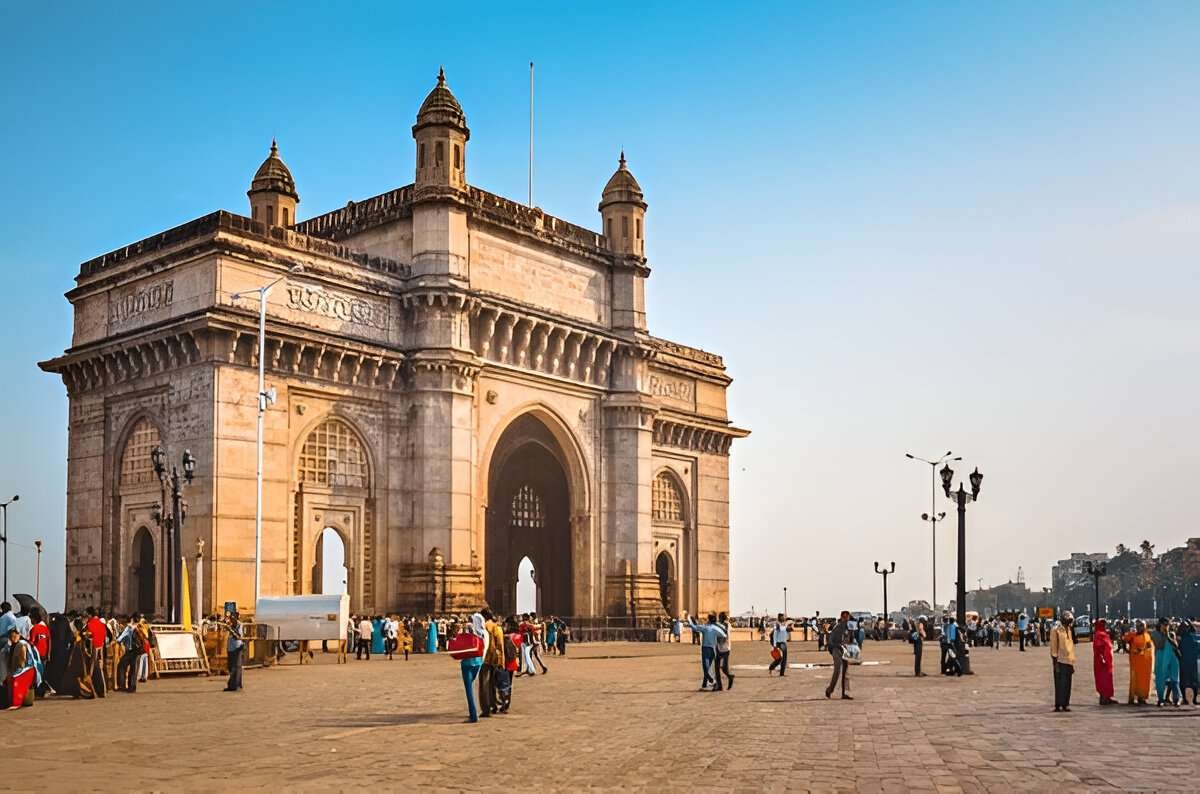
India, with its kaleidoscope of cultures, landscapes, and histories, is a destination unlike any other. From the majestic Himalayas in the north to the tropical beaches in the south, and from the ancient temples of Varanasi to the bustling streets of Mumbai, India offers an endless variety of experiences that will captivate the heart and soul of every traveller. Planning a trip to this diverse and vibrant country, however, can seem overwhelming given its vastness and variety. Whether you’re a first-time visitor or a seasoned traveller, the key to having a smooth and memorable India trip lies in thoughtful planning and a well-crafted itinerary. Here are some tips and top locations to help you create the perfect India experience.
Start With What Interests You Most
India’s beauty lies in its diversity. The first step to planning a perfect trip is deciding what kind of experience you’re seeking. Are you drawn to history and culture? Do you want to experience the spiritual side of India? Or are you more inclined toward nature, adventure, or relaxation on pristine beaches? Narrowing down your interests will help you focus on the regions and cities that best align with your travel style.
For example, suppose you’re interested in historical landmarks. In that case, a visit to the iconic Taj Mahal in Agra is a must, along with the forts and palaces of Rajasthan, such as the Amber Fort in Jaipur and the City Palace in Udaipur. If spirituality speaks to you, you could immerse yourself in the ghats of Varanasi, a city that has been a hub of Hindu spirituality for thousands of years. For nature lovers, the backwaters of Kerala or the stunning landscapes of Himachal Pradesh offer some of the most serene escapes.
Consider the Best Time to Visit
India’s climate varies dramatically depending on the region and season, making the timing of your visit crucial to ensuring a comfortable experience. The best time to travel across most parts of India is from October to March, when the weather is cooler and more pleasant. However, if you plan to visit the northern hill stations or the Himalayan regions, summer months (March to June) can be a great option to enjoy the cool weather and breathtaking views.
For those keen on exploring the beaches in the south, such as Goa or Kerala, the winter months provide the best conditions, as these regions can get quite hot during the summer. It’s also important to consider the monsoon season (June to September), as heavy rainfall can disrupt travel plans, especially in coastal or jungle areas. Make sure to research the weather patterns in your specific destinations to avoid the sweltering heat or the rainy season, depending on the experiences you seek.
Crafting the Itinerary: Must-See Destinations
India is so diverse that it’s difficult to see everything in one trip, but a well-planned itinerary can give you a broad yet fulfilling taste of the country. If you’re travelling for two weeks or more, focusing on a few key regions will help you immerse yourself in the local culture and landscape without feeling rushed.
Start with the Golden Triangle – Delhi, Agra, and Jaipur. This popular circuit covers India’s iconic landmarks, including the Taj Mahal, Qutub Minar, and the Red Fort, as well as the stunning architecture of Rajasthan’s forts and palaces. Delhi offers a dynamic blend of ancient and modern, with historical sites like Humayun’s Tomb alongside the vibrant markets of Chandni Chowk.
From Delhi, head to Agra to witness the world-famous Taj Mahal at sunrise – it’s an experience that lives up to the hype. Jaipur, the “Pink City,” is rich in royal history, and a visit to the Amber Fort and the City Palace will transport you to the time of Maharajas and Rajputs.
If you have more time, consider exploring the south. Kerala’s backwaters offer a tranquil escape. Spend a day or two on a houseboat, drifting through the picturesque canals and villages. The coastal town of Kochi, with its colonial architecture and vibrant cultural scene, offers a glimpse of Kerala’s diverse heritage.
Another hidden gem is the town of Hampi in Karnataka, a UNESCO World Heritage site known for its stunning ruins set amidst boulder-strewn landscapes. Hampi’s ancient temples and royal complexes make it a must-visit for history lovers, and it’s far less crowded compared to more famous locations.
For a more spiritual journey, Varanasi, on the banks of the Ganges River, is a must. It is one of the oldest living cities in the world and offers an unparalleled opportunity to witness the rituals and traditions of Hinduism. The sights of devotees performing their daily prayers and ceremonies along the ghats will be etched in your memory forever.
Understanding Indian Culture and Etiquette
India is a country where tradition and modernity live side by side, so understanding the local culture and etiquette can make your trip much more enjoyable. For instance, while Indian cities like Mumbai and Delhi are cosmopolitan, rural areas can be very traditional. When visiting temples or religious sites, it’s important to dress modestly, covering your shoulders and legs. It’s also customary to remove shoes before entering temples, homes, and certain businesses.
Respect for local customs, especially in religious places, is important. Visitors are not uncommon to be asked to follow certain rituals, such as receiving blessings from priests. Don’t be afraid to ask questions, as locals are often eager to share their knowledge and culture. Engaging with local customs will enhance your experience and allow you to appreciate India on a deeper level.
Also, remember that while English is widely spoken in major cities, Hindi and regional languages are the primary modes of communication in many parts of the country. Having a translation app or learning a few basic words in the local language can make your experience more immersive and respectful.
INDIAN VISA FROM Côte d’Ivoire
Travelling Around India: Logistics and Tips
India’s public transportation network is vast and varied, offering everything from domestic flights and trains to buses and auto-rickshaws. For long-distance travel, India’s extensive train system is an experience in itself. It’s affordable, offers various classes of service, and allows travellers to witness the country’s changing landscapes.
For city travel, auto-rickshaws and taxis are widely available, though it’s advisable to negotiate fares beforehand or opt for app-based services like Uber or Ola. In some cities, local tuk-tuks and cycle-rickshaws are an adventure in themselves, but always ensure the driver knows the route, especially if you’re visiting a lesser-known place.
Lastly, consider booking your accommodations in advance, especially during peak tourist seasons. India offers a wide range of accommodations, from budget hostels to luxury resorts. Whether you’re staying in a heritage haveli or a beachside resort, the options cater to every style and budget.
Conclusion
Planning a trip to India requires careful thought and preparation, but the reward is an unforgettable journey through one of the world’s most diverse and dynamic countries. Whether you’re drawn to the country’s rich cultural heritage, the beauty of its natural landscapes, or the opportunity to experience a different way of life, India offers something for every traveller. By focusing on what interests you the most, considering the best time to visit, crafting an itinerary that blends iconic landmarks with hidden gems, and embracing local culture, you can create a truly unforgettable India experience that will stay with you long after you’ve returned home.
Also read: India’s Best Beach Resorts: Sun, Sand, and Serenity