
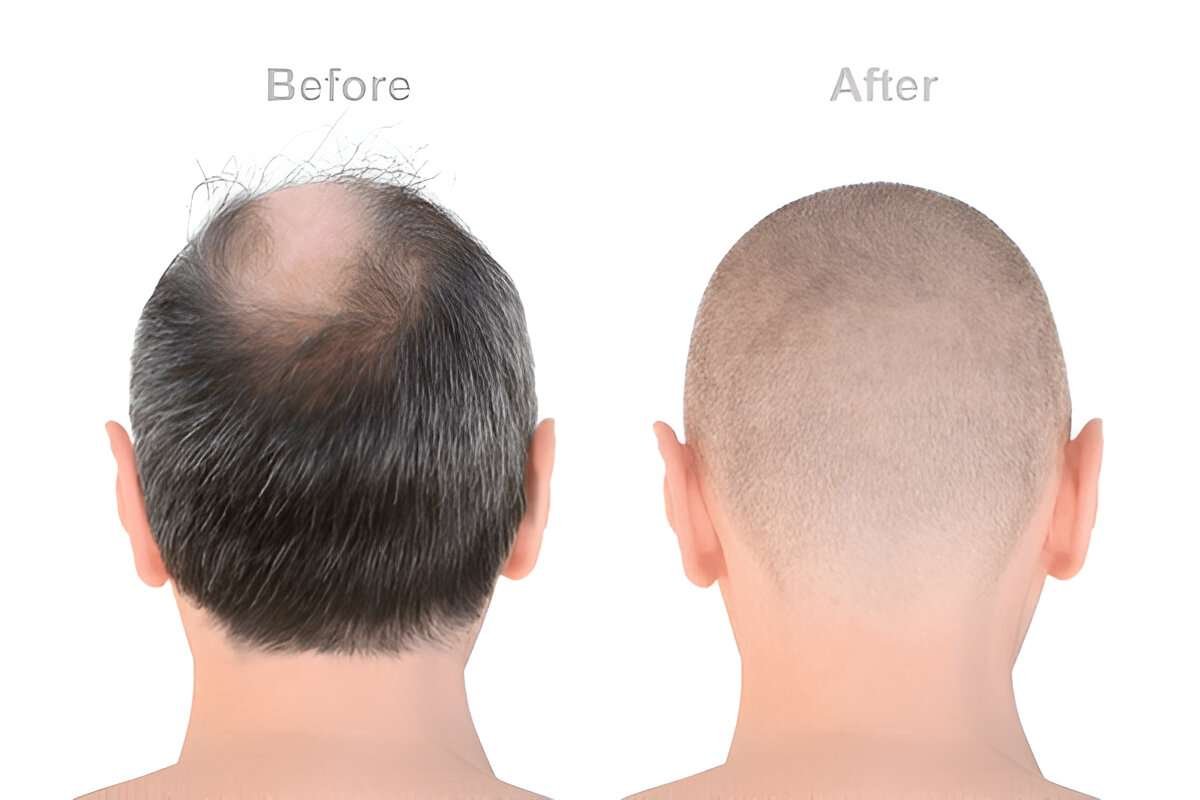
Hair loss is a common concern for many individuals worldwide, especially in the UK, where people are constantly seeking effective solutions to regain their natural hair. Over the years, hair transplant procedures have evolved significantly, thanks to the rapid advancements in technology. Modern hair transplants are now more effective, less invasive, and produce more natural results than ever before. This transformation is due to the integration of cutting-edge technology, which has revolutionized the entire process.
In this article, we will explore how technology has changed the landscape of hair transplant UK procedures, improving outcomes and making them more accessible for individuals seeking restoration.
Advancements in Hair Transplant Technology
The development of technology has greatly impacted the field of hair restoration, especially in major cities like London, where hair transplant clinics are leading the way. Hair transplant London clinics have adopted state-of-the-art technology to offer patients advanced, minimally invasive techniques that provide remarkable results.
Two of the most prominent technologies used in modern hair transplant surgeries are Follicular Unit Extraction (FUE) and Follicular Unit Transplantation (FUT). Both methods have been enhanced by advanced tools and equipment that improve precision, speed, and healing time.
Follicular Unit Extraction (FUE)
FUE has become one of the most popular methods for hair transplant UK. Unlike older methods, FUE involves extracting individual hair follicles from the donor area and transplanting them into the thinning or balding areas. The process is highly precise and minimally invasive, reducing scarring and recovery time.
Technology plays a crucial role in FUE, with automated systems helping surgeons to extract hair follicles more efficiently. For example, robotic systems now assist in locating and harvesting follicles, ensuring that each one is extracted with minimal trauma to the scalp. This not only increases the efficiency of the procedure but also improves the quality of the hair transplant, resulting in natural-looking hair restoration.
Follicular Unit Transplantation (FUT)
While FUE has become more popular in recent years, FUT is still widely used, particularly for patients with extensive hair loss. FUT involves removing a strip of skin from the donor area and then dividing it into individual follicular units for transplant. Modern technology has made FUT procedures more effective, with advanced scalp microscopes allowing surgeons to dissect the skin strip into very fine units.
Moreover, enhanced suturing techniques and equipment ensure that the donor area heals quickly with minimal scarring. Technological advancements in FUT have made the procedure more comfortable and less invasive, resulting in better patient outcomes.
Robotic Assistance in Hair Transplants
One of the most significant technological advancements in hair restoration has been the introduction of robotic assistance. Robotic hair transplant systems, such as the ARTAS system, are now used in hair transplant clinics around the world, including those in London. These robotic systems help in both the extraction and implantation of hair follicles, providing a level of precision that manual methods cannot match.
The robot scans the scalp to identify the healthiest follicles and then extracts them with incredible accuracy. The robotic system also helps with placing the follicles in the recipient areas at the correct angle and density, ensuring a natural look. The result is a more predictable, consistent, and less invasive procedure, which is a significant improvement over traditional manual techniques.
3D Imaging and Mapping
Another breakthrough in hair transplant technology is the use of 3D imaging and mapping to plan and execute procedures. This technology allows surgeons to create a detailed map of the patient’s scalp, highlighting areas of thinning or baldness.
Using 3D imaging, surgeons can simulate different hairline designs and transplant patterns before performing the actual surgery. This level of precision helps patients visualize the potential results and enables surgeons to create the most aesthetically pleasing hairline. Additionally, 3D imaging allows for more precise follicle placement, improving the density and natural flow of hair after the transplant.
Platelet-Rich Plasma (PRP) Therapy
Platelet-Rich Plasma (PRP) therapy is another example of how technology is being integrated into hair transplant procedures. PRP therapy involves extracting a small amount of the patient’s blood, processing it to concentrate the platelets, and then injecting it into the scalp to stimulate hair growth.
PRP has become a popular adjunct treatment in hair transplant UK clinics, helping to improve hair restoration results. When combined with FUE or FUT, PRP enhances the healing process and promotes faster, more robust hair growth. Technological advancements in blood processing and injection techniques have made PRP therapy safer and more effective, providing patients with a non-surgical method to enhance their hair restoration results.
Minimizing Downtime and Improving Recovery
One key advantage of modern technology in hair transplants is the reduced downtime and quicker recovery period. Traditional methods of hair restoration often involved long recovery times, with patients needing to take several weeks off work and avoid physical activity.
Thanks to advancements in minimally invasive techniques, such as FUE and robotic-assisted procedures, patients can now expect to return to their normal routines much faster. Many patients report being able to resume light activities within just a few days of their procedure, and full recovery typically occurs within a few weeks. The use of advanced tools and equipment has made the procedure not only less invasive but also more comfortable, ensuring that patients experience minimal discomfort during recovery.
Conclusion
The role of technology in modern hair transplants cannot be overstated. Innovations such as robotic assistance, 3D imaging, and PRP therapy have revolutionized hair restoration procedures, providing patients with safer, more effective treatments.
Whether you’re considering a hair transplant in London or exploring options for hair restoration in the UK, technology ensures that you will receive the highest-quality care and the most natural-looking results. With advancements in precision, speed, and recovery, modern hair transplants are now more accessible and successful than ever before.
As technology continues to evolve, we can expect even more breakthroughs in hair restoration, making it an exciting time for anyone seeking a permanent solution to hair loss.
Read More: Stay Informed: The Benefits of Following Our Medical Spa Blog