
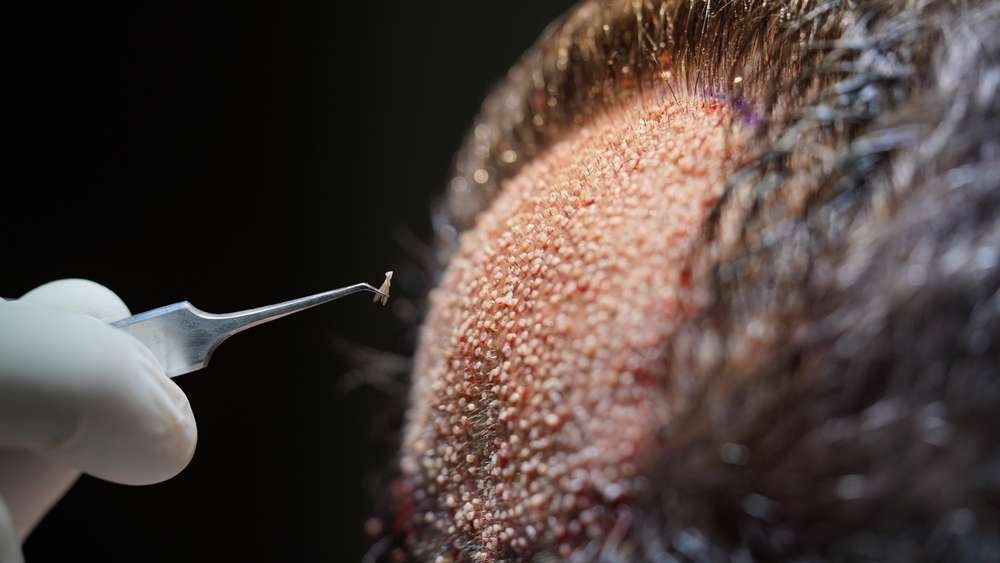
Hair transplants have become one of the most sought-after solutions for hair loss in the UK. Many people searching for a hair transplant London clinic or exploring options across the hair transplant UK market wonder how the procedure actually works. Understanding the science behind it helps set realistic expectations and explains why results look natural and last for years. From donor follicles to follicular placement, each step is carefully designed to restore hair with precision.
The Basics of Hair Transplantation
A hair transplant involves relocating healthy hair follicles from one part of the scalp to another. Usually, follicles are taken from the back or sides of the head, where hair is resistant to thinning. These follicles are then implanted in thinning or bald areas. The transplanted follicles continue to grow naturally, creating permanent results.
People who consider a hair transplant London procedure often ask why the back of the head is ideal. Specialists explain that donor hair in these regions is genetically programmed to resist hair loss, making it a reliable source for transplantation.
Types of Hair Transplant Techniques
There are two main techniques used in modern hair restoration: Follicular Unit Extraction (FUE) and Follicular Unit Transplantation (FUT). FUE involves extracting individual follicles and placing them precisely where needed. FUT removes a strip of scalp from the donor area, which is then dissected into individual follicular units.
Across hair transplant UK clinics, the choice between FUE and FUT depends on hair loss pattern, donor density, and personal preference. Many people who choose a hair transplant London clinic appreciate that specialists explain both techniques in detail and recommend the most suitable option for long-term growth.
Why Precision Matters
The science behind hair transplants relies on careful planning and precision. Specialists consider the angle, direction, and density of each graft to match the natural hair pattern. Hair does not grow in a single straight line. Replicating natural growth requires skill and attention to detail.
Patients across hair transplant UK clinics often note that the artistry of placement is just as important as the technical procedure. In London, many clinics combine scientific precision with aesthetic planning to ensure results blend seamlessly with existing hair.
Healing and Growth Process
Once transplanted, follicles enter a healing phase. Initially, there may be redness, swelling, and minor scabbing. Within a few weeks, the transplanted hairs may shed, which is normal. This shedding does not mean failure. The follicles remain in place and start producing new hair within a few months.
People who undergo a hair transplant London procedure often express surprise at this temporary shedding phase. Across hair transplant UK clinics, patients are reassured that new growth begins gradually, eventually producing fuller, thicker hair over time.
Factors Influencing Success
Several factors influence how successful a hair transplant will be. Donor hair quality, scalp health, and the expertise of the specialist are key. Follicles must be handled carefully to survive transplantation. Poor technique or inadequate donor hair can compromise results.
When researching hair transplant London clinics, many patients learn that follow-up care and monitoring are equally important. Across hair transplant UK clinics, long-term success is often tied to proper aftercare, including gentle washing, avoiding stress on grafts, and maintaining a healthy lifestyle.
The Role of Modern Technology
Advancements in technology have improved precision and comfort. Robotic-assisted extraction, high-magnification imaging, and advanced graft storage methods enhance follicle survival and placement accuracy. Many hair transplant London clinics use these innovations to achieve natural-looking, long-lasting results.
Across hair transplant UK clinics, patients increasingly seek providers who adopt modern techniques. These methods reduce healing time and improve consistency, ensuring the transplanted hair grows in a natural pattern and density.
Natural Appearance and Long-Term Benefits
The ultimate goal of a hair transplant is to produce a natural appearance. By carefully replicating hair direction, density, and distribution, specialists ensure the new growth blends seamlessly. Transplanted follicles are permanent, providing long-term confidence and restoring a youthful hairline.
People who choose a hair transplant London clinic often highlight how realistic their results look months after the procedure. Across hair transplant UK clinics, natural aesthetics and long-term durability remain the most praised outcomes.
Final Thoughts
The science behind hair transplants combines biology, technology, and artistry. From selecting the right donor hair to precise placement and careful aftercare, each step is designed to ensure natural, long-lasting results. Whether you are considering a hair transplant London clinic or exploring options across the hair transplant UK market, understanding the procedure helps you make informed decisions. With skilled specialists and the right approach, hair restoration can offer confidence, aesthetic improvement, and permanent growth.